
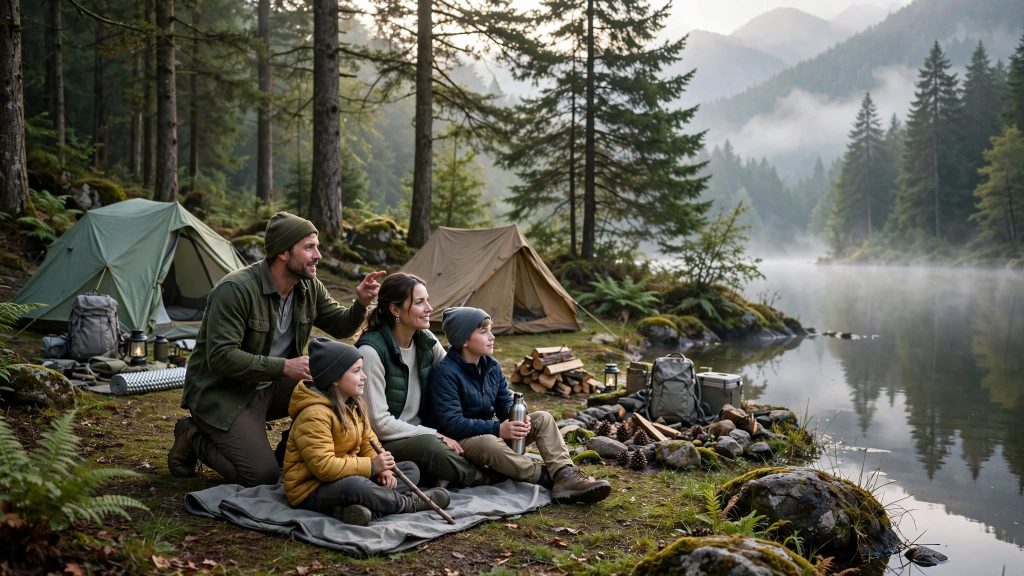
A peaceful camping trip often begins long before you pitch a tent or unpack the car. The campsite you choose can shape almost every part of the experience, from how well you sleep to how easily you can explore the surrounding landscape. A beautiful location may look appealing in photographs, but scenery alone does not necessarily make it suitable for a quiet nature getaway.
Choosing the right campsite means considering location, surroundings, facilities, accessibility, privacy, and the type of outdoor experience you want. Taking time to compare these details can help you find a place where you can slow down, enjoy nature, and avoid unnecessary distractions.
Decide What a Peaceful Getaway Means to You
People have different ideas about peaceful camping. Some want a remote tent pitch surrounded by woodland, while others prefer an organized campground with showers, toilets, and clearly marked walking trails.
Before searching for a campsite, think about what you want from the trip. Do you plan to spend most of your time relaxing beside your tent, or will the campsite mainly serve as a base for hiking and exploring?
Families may value safe open spaces and convenient facilities, while couples might prioritize privacy and scenic surroundings. Solo campers may place greater importance on accessibility, communication coverage, and proximity to other campers without being in a crowded area.
Defining these priorities makes it much easier to choose the right campsite.
Look Carefully at the Campsite Location
A campsite can be surrounded by nature while still being close to busy roads, entertainment areas, or popular tourist attractions. If quiet surroundings are important, look beyond the campsite’s general location and consider what is nearby.
Consider Noise and Surrounding Activity
Check whether the campground is close to highways, railway lines, nightlife areas, event venues, or heavily visited attractions. Natural features can also affect the atmosphere. A pitch beside a popular trail, playground, entrance gate, or communal facility may experience more foot traffic throughout the day.
A quieter section toward the edge of a campground may suit a peaceful nature getaway better, provided it remains safe and reasonably accessible.
Choose a Setting That Matches Your Activities
Your preferred outdoor activities should influence where you stay. Someone interested in woodland walks may enjoy a forest campsite, while campers who want kayaking or fishing might prefer a location near a lake or river.
Planning your activities before booking can prevent unnecessary driving once you arrive. If you are still deciding how to spend your time outdoors, Best Outdoor Activities to Enjoy During a Camping Vacation can help you think about which experiences are most relevant to your trip.
Try to balance access with tranquility. Staying directly beside a major attraction may be convenient, but choosing a campsite a short distance away could provide a quieter atmosphere.
Check the Facilities Without Overlooking Simplicity
Modern facilities can make camping more comfortable, but more amenities can sometimes mean more visitors and activity. The right campsite should provide the facilities you genuinely need without changing the kind of nature experience you want.
Useful features may include toilets, showers, drinking water points, washing areas, waste disposal facilities, electrical hookups, or designated cooking spaces. Their importance will depend on your camping style.
For example, a motorhome traveler may need suitable vehicle access and service points, while a tent camper might care more about clean washrooms and a level pitch.
Pay Attention to Pitch Size and Privacy
The layout of a campground matters almost as much as its location. Closely packed pitches can make an otherwise attractive site feel busy, especially during popular travel periods.
When campsite maps or pitch descriptions are available, look for information about spacing, vegetation, boundaries, and nearby communal areas. Trees, hedges, and natural changes in terrain can create a greater sense of separation between pitches.
However, privacy should not come at the expense of practicality. A secluded pitch that requires carrying equipment a long distance or navigating difficult ground may not suit every traveler.
Examine the Ground and Natural Conditions
The physical condition of a campsite deserves careful attention, particularly for tent camping. Flat, stable ground generally makes sleeping and setting up equipment easier.
Low-lying areas can collect water after rain, while exposed locations may receive stronger winds. Heavily shaded woodland pitches can feel pleasantly cool but may remain damp for longer after wet weather.
Also consider how conditions might change during your stay. A sunny open pitch may be comfortable in cooler weather but less appealing during hot conditions. Understanding the local environment helps you select a camping spot suited to the season.
Think About Access and Practical Convenience
Remote camping can provide wonderful solitude, but reaching the campsite should still be manageable. Check the type of access road, parking arrangements, walking distance to pitches, and any restrictions affecting caravans or motorhomes.
It is also sensible to understand how far you will be from essential supplies. You do not necessarily need shops nearby, but knowing where you can obtain food, drinking water, fuel, or other necessities can reduce unnecessary stress.
Understand Campsite Rules Before Booking
Rules can offer useful clues about the atmosphere of a campground. Policies covering quiet hours, generators, music, campfires, pets, vehicles, and group bookings can significantly influence your experience.
For a peaceful camping holiday, look for rules that are compatible with the environment you want. At the same time, make sure those policies do not restrict activities that matter to you.
Reading campsite information carefully before booking is much easier than discovering an unexpected restriction after arrival.
Consider Timing as Well as Location
Even a normally quiet campground can feel different during weekends, holidays, festivals, or peak travel periods. If your schedule is flexible, choosing a less busy period may provide more space and a calmer environment.
Seasonal conditions matter too. Weather, daylight hours, insects, trail conditions, and available campsite facilities can vary throughout the year. Choosing both the right location and an appropriate time can make a significant difference to your nature getaway.
Conclusion
Choosing the right campsite for a peaceful nature getaway involves more than finding an attractive destination. Consider the surrounding environment, noise levels, pitch layout, facilities, ground conditions, accessibility, campsite rules, and nearby activities before making a decision.
The most suitable campsite is one that matches your personal camping style while allowing you to enjoy the natural surroundings comfortably. With a little preparation, you can spend less time dealing with practical inconveniences and more time appreciating the slower pace and outdoor setting that brought you camping in the first place.